Content
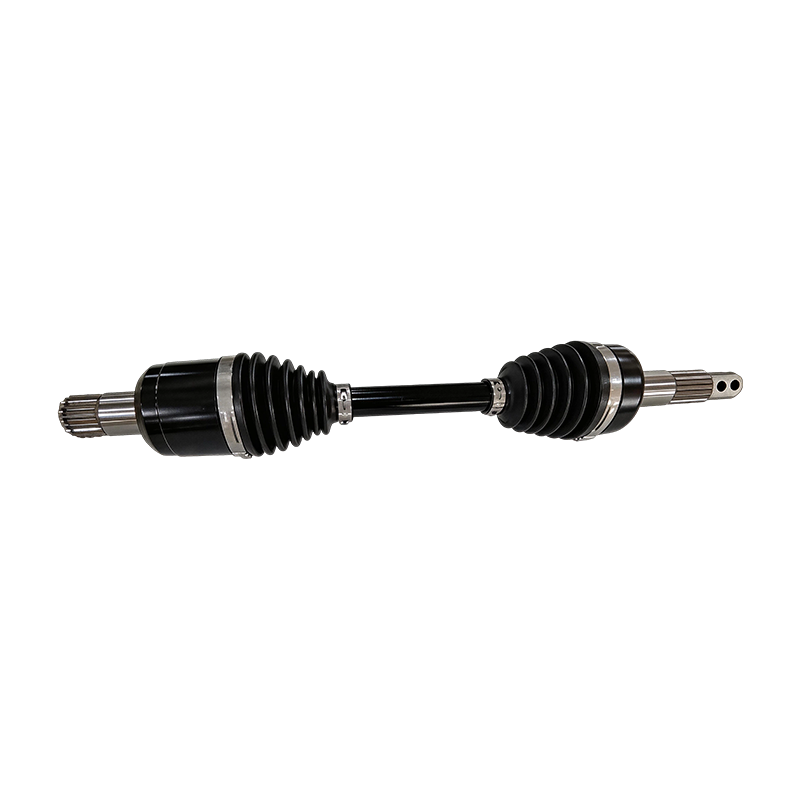
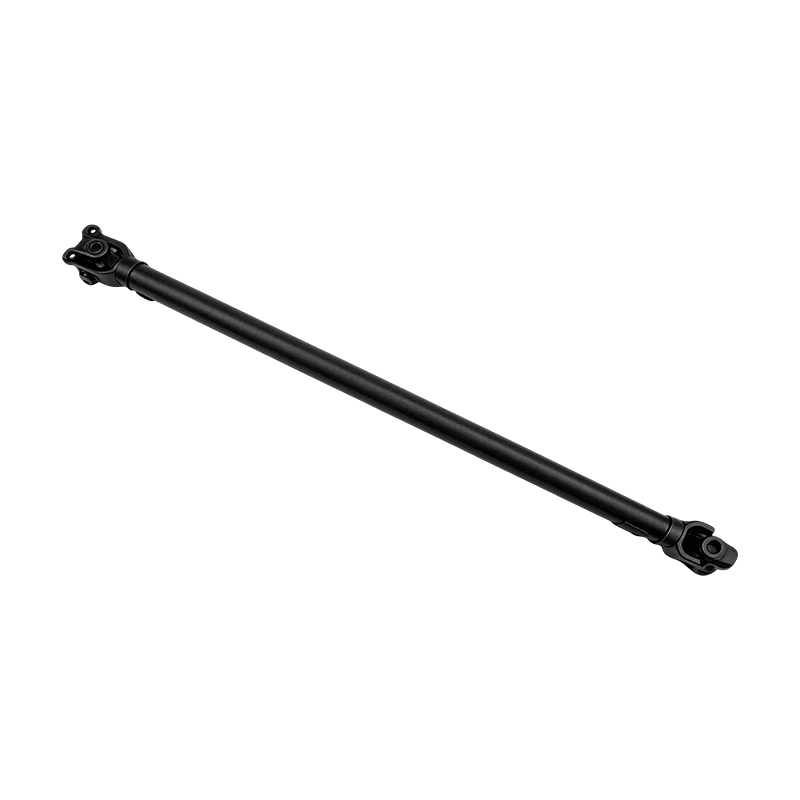
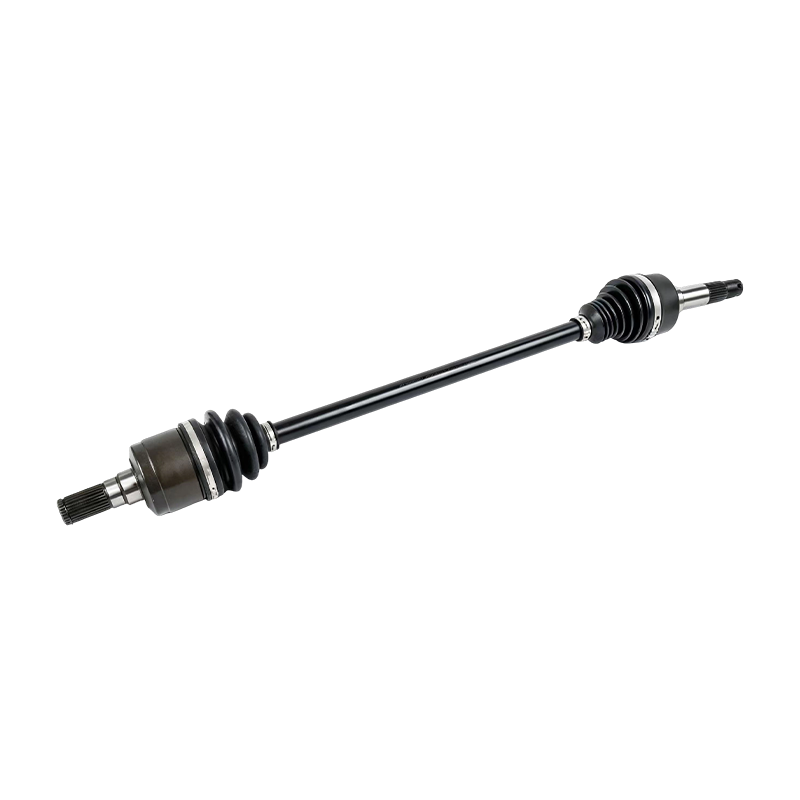
A prop shaft, short for propeller shaft and also called a driveshaft, transmits rotational power from the transmission or transfer case to the differential, which then turns the wheels. In simple terms, it is the mechanical link that lets the engine's power reach the road. On a rear-wheel-drive or four-wheel-drive vehicle, the prop shaft must transfer this torque across a gap that constantly changes in length and angle as the suspension moves, which is why it relies on universal joints or constant-velocity joints rather than a single rigid bar. Without a functioning prop shaft, power from the engine simply cannot reach the wheels, even if the engine and transmission are working perfectly.
The sections below explain how a prop shaft is built, the different types used across vehicle layouts, common failure signs, and what to check when sourcing a replacement.
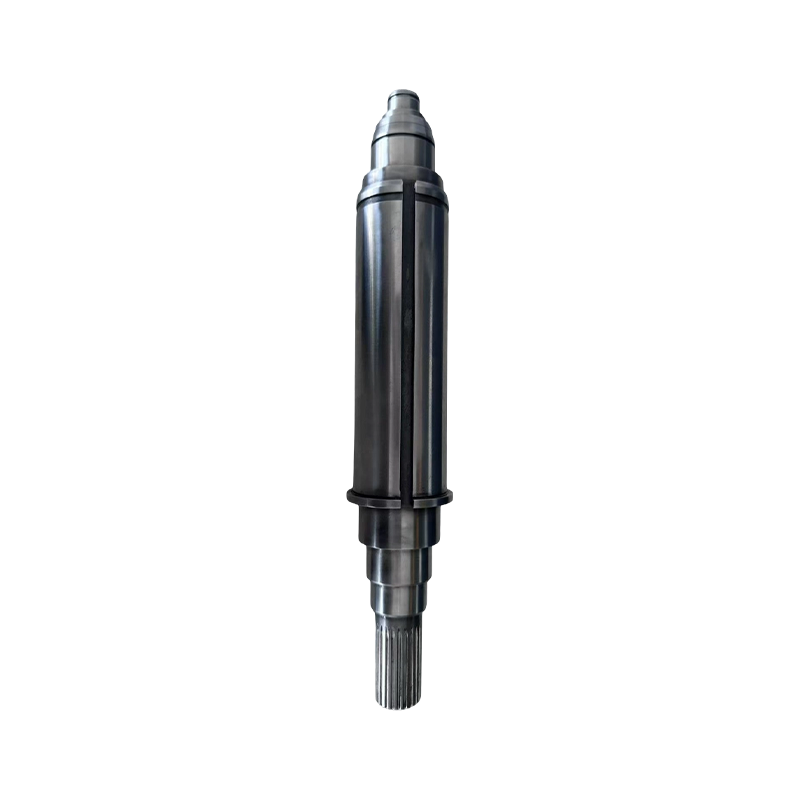
A prop shaft is more than a single metal tube. It is an assembly of precisely balanced parts that must work together to transmit torque smoothly at high rotational speeds.
| Component | Function |
|---|---|
| Shaft tube | The central steel or aluminum tube that carries rotational torque |
| Universal joint (U-joint) | Allows the shaft to flex as suspension angles change |
| Slip yoke | Permits the shaft to change length slightly as the suspension travels |
| Center support bearing | Supports longer two-piece shafts at the midpoint to reduce vibration |
Each part of the prop shaft must be balanced within very tight tolerances, since even a small imbalance at highway speed can produce noticeable vibration through the vehicle floor.
Not every vehicle uses the same style of driveshaft. The correct type depends on the drivetrain layout and the distance the shaft must span.
Choosing the correct prop shaft configuration for a given wheelbase and power output is essential, since an undersized shaft can twist or fail under load, while an oversized one adds unnecessary weight and rotational inertia.
This entire sequence happens continuously while the suspension moves up and down, which is why the prop shaft's joints must accommodate a constantly shifting operating angle without introducing vibration or torque loss.
Because the prop shaft rotates at engine-driven speed under constant load, wear tends to show up through vibration, noise, or handling changes before complete failure occurs.
| Symptom | Likely Cause |
|---|---|
| Vibration that increases with vehicle speed | Shaft imbalance or worn center support bearing |
| Clunking noise during acceleration or gear changes | Worn universal joint or loose slip yoke |
| Squeaking at low speed | Dry or under-lubricated U-joint |
| Shudder felt through the floor when accelerating from a stop | Worn center bearing mount or damaged CV joint |
Ignoring these signs can allow a worn prop shaft joint to fail completely while driving, which may cause the shaft to disconnect and drop, resulting in loss of drive and potential damage to surrounding components.
Many universal joints include grease fittings that should be serviced at intervals recommended by the vehicle manufacturer, often every 5,000 to 7,500 miles (8,000 to 12,000 km) for vehicles with serviceable joints.
Lift kits, ride height changes, or wheelbase modifications alter the operating angle of the prop shaft. Any such change should be followed by a shaft angle check and, if needed, professional rebalancing.
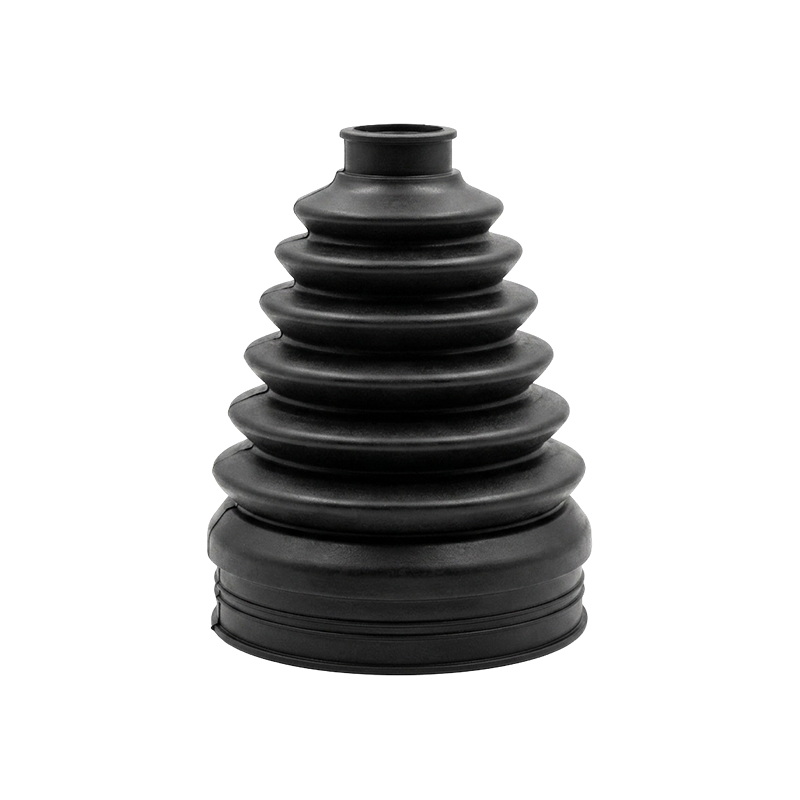
Checking for excessive play at the U-joints, cracked boots on CV-jointed shafts, and any visible rust or pitting on the shaft tube helps catch wear before it leads to a breakdown.
Replacing a prop shaft is not a one-size-fits-all purchase. Confirm the following details before ordering:
A reliable prop shaft starts with well-manufactured driveline components. CQC Auto Parts supplies prop shaft and related driveline components engineered for consistent balance, accurate spline fitment, and durable joint construction across a wide range of vehicle applications. For repair shops and fleet operators replacing worn shafts, sourcing prop shaft components from a supplier with strict dimensional and balance testing helps reduce comebacks caused by vibration or premature joint wear.
Whether the application is a short one-piece shaft for a passenger car or a longer two-piece assembly for a truck or SUV, choosing a properly specified prop shaft is essential to delivering smooth, reliable power from the engine to the wheels.
+86 133 0665 0391
No. 169 Songpu Road, Cidong Industrial Zone, Cixi City, Ningbo City, Zhejiang Province, China
OEM/ODM Automotive Chassis Sealing Components Manufacturer
EV Drivetrain Components Supplier