
 English
 中文简体
中文简体 عربى
عربى Español

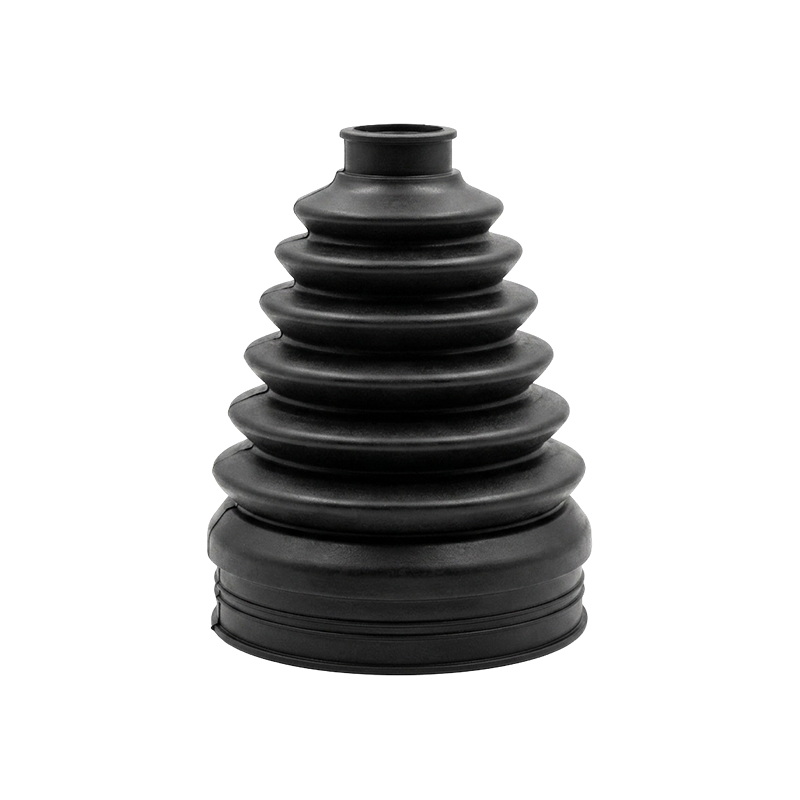
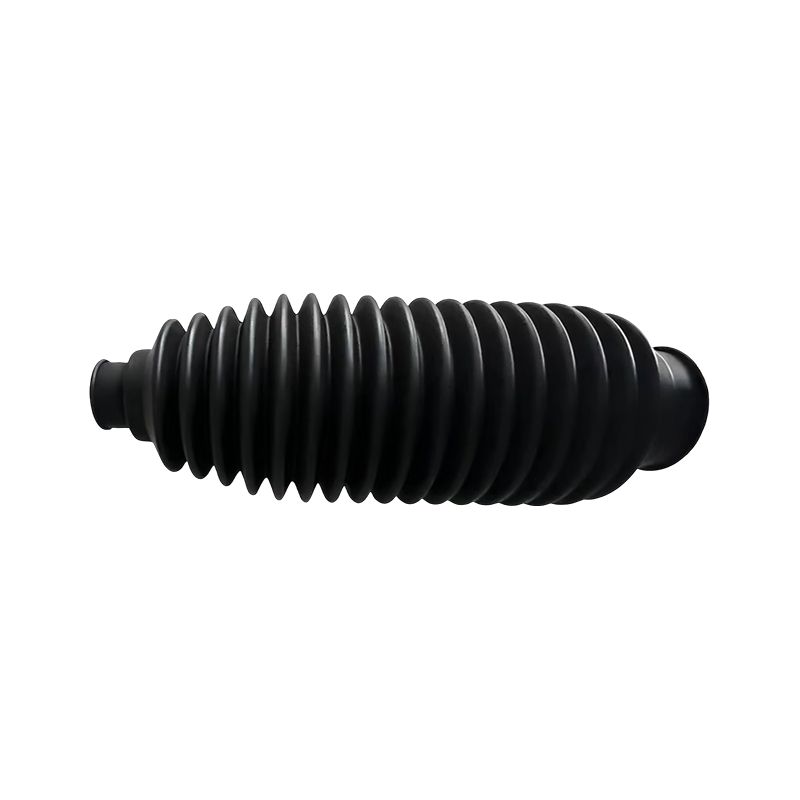
As a dynamic, innovation-driven precision machinery enterprise, Cixi Quaconst Precision Machinery is a China Custom Rubber CV Boot Manufacturer and Rubber CV Boot Supplier, dedicated to the R&D, manufacturing and sales of precision components for automobiles, ATVs and trucks since its establishment, with full capabilities in import and export operations. We have also set up a new branch in Vietnam to expand our global service network, delivering more accessible support to international clients.
Our headquarters is strategically located in Cixi Binhai Economic Development Zone, Ningbo City, Zhejiang Province, China. This location boasts convenient transportation and superior maritime logistics advantages—laying a solid foundation for our efficient global supply chain and timely customer support, ensuring products reach global markets quickly.

INQUIRY NOW
Custom Rubber CV Boot
We specialize in the R&D and manufacturing of sealing, protection, and vibration-damping components for automotive chassis and drivetrain systems. Our product portfolio includes a comprehensive range of protective parts—such as CV boots, steering rack boots, and TPEE boots—as well as shock-absorbing and cushioning components, including strut mounts, suspension bushings, and driveshaft dampers. We provide integrated, end-to-end solutions for CV axle assemblies, steering systems, and suspension systems, serving the global passenger and light commercial vehicle markets.
Cixi Quaconst Precision Machinery:
Guarantee High Quality With Our Expertise
Guarantee High Quality With Our Expertise

-
Quality
We have our own testing lab and the most advanced and complete inspection equipment,which can ensure...
-
Customization
We have a strong R&D team,and we can develop and produce products according to the drawings or s...
-
Multiformity
We have over 1300 molds, and our parts can be matched with most of the best-selling car models world...
Certificate
-
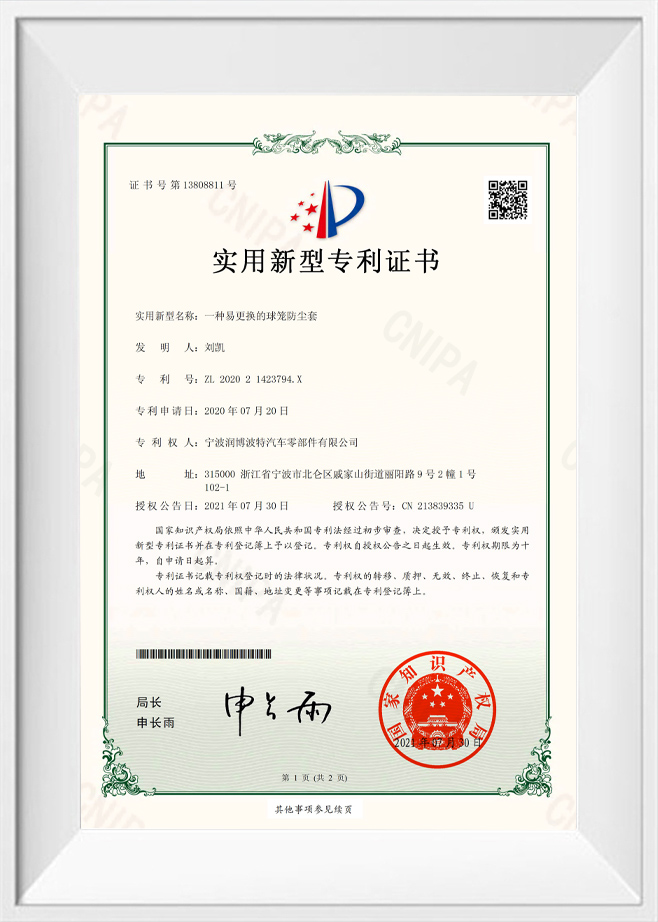
Utility Model Patent Certificate
-
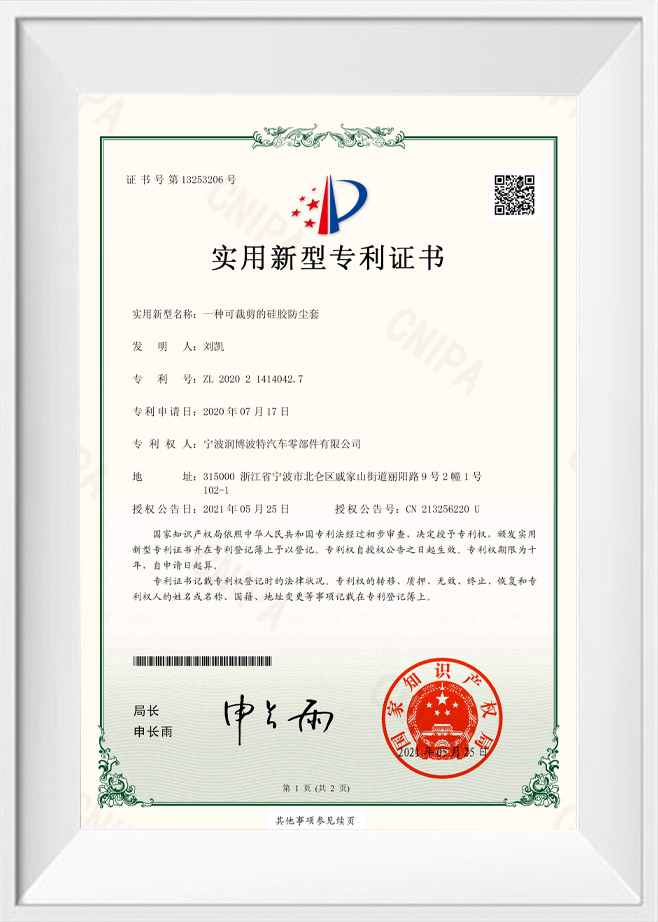
Utility Model Patent Certificate
-
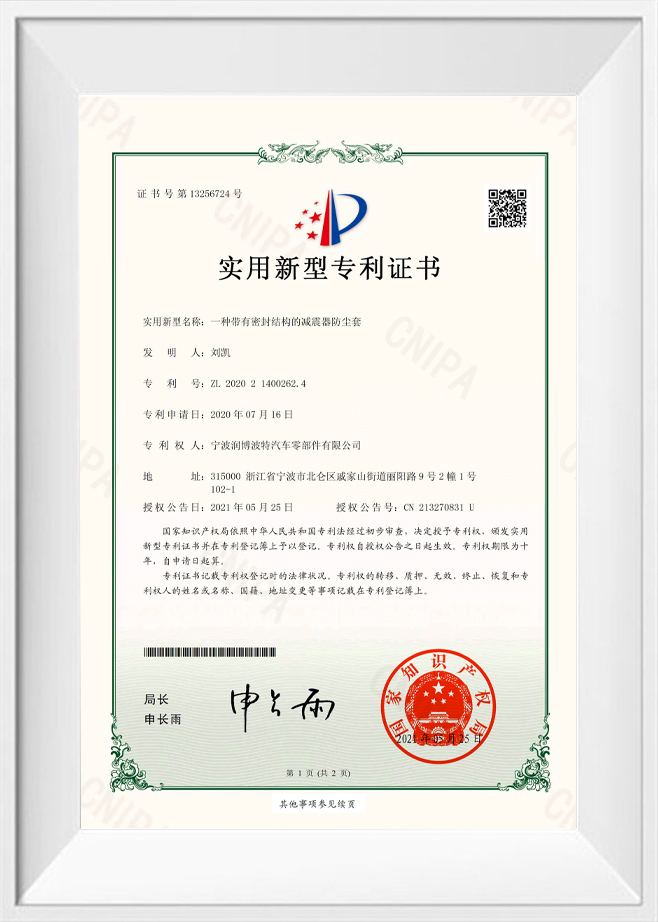
Utility Model Patent Certificate
-
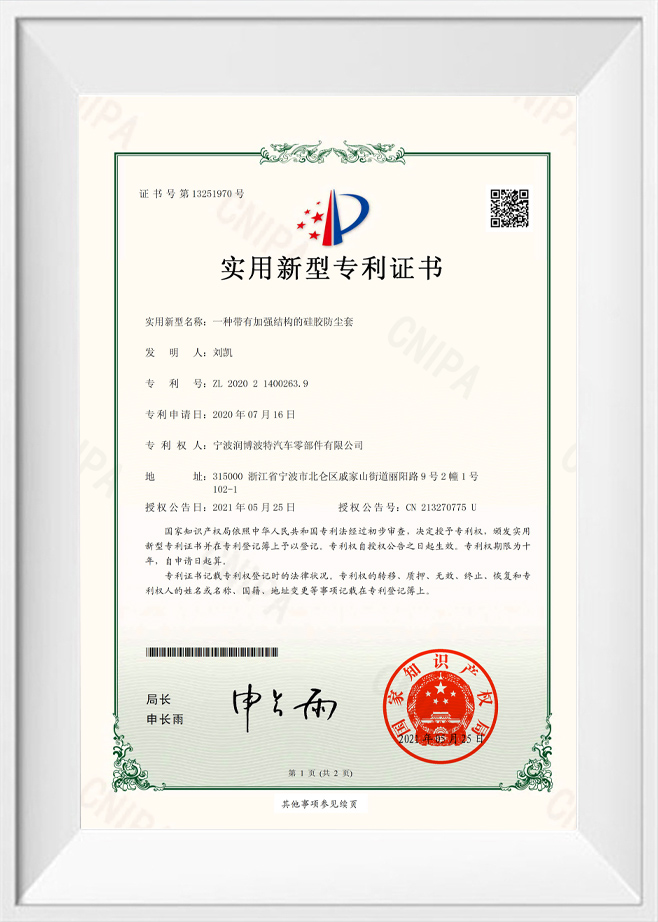
Utility Model Patent Certificate
-
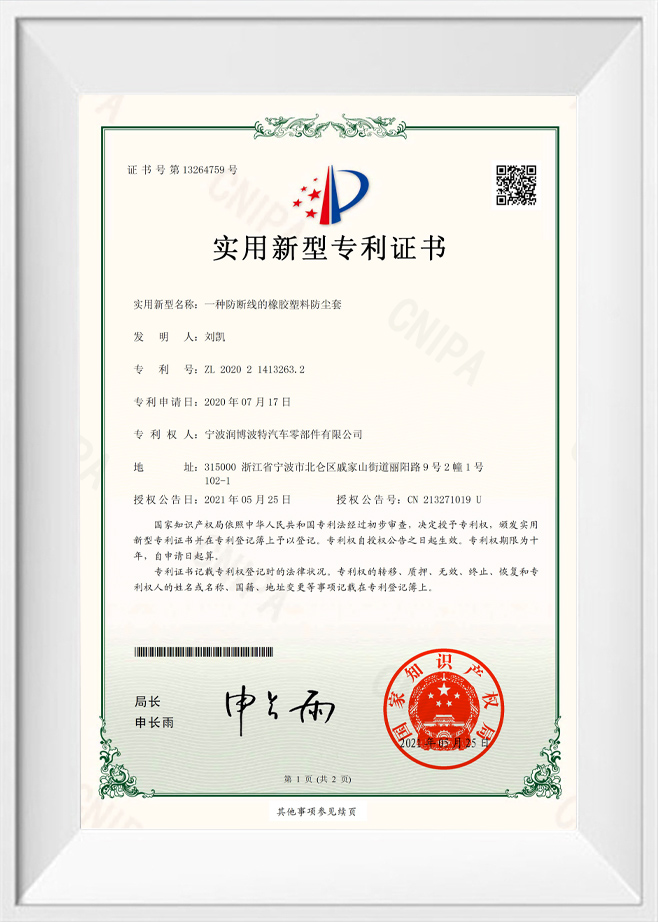
Utility Model Patent Certificate
News Center
-
2026-10-23
Automotive Driveline Guide: Components, Tolerances, Failure Points & Sourcing Checks
A front-wheel-drive car that shudders between 40 km/h and 70 km/h usually traces back to one of four parts: a worn outer CV joint, a boot that has thrown its g... -
2026-10-16
what is a driveline: Applications, Selection Criteria, and Practical Guidance
A front-wheel-drive car carries torque from the transmission to the tires through roughly a dozen parts: two half shafts, four constant-velocity (CV) joints, t... -
2026-10-09
Signs of a Bad Driveshaft: 6 Symptoms, Road Tests and Replacement Guide
A car that shudders at highway speed usually gets new tyres and a wheel balancing first. The money is spent, and the shudder stays. A worn driveshaft has its o... -
2026-10-02
How to Balance a Driveshaft: Correct Steps, Tolerances and Common Mistakes
A pickup that shakes hard at 55 mph and smooths out completely at 45 mph is almost always fighting driveline unbalance, not a bad tire. The usual culprit is a ...
Dust Boot Industry knowledge
A dust boot is a flexible sealing cover — typically bellows-shaped — used throughout the automotive chassis and drivetrain to protect critical joint and shaft components from dust, water, mud, and road debris. Also widely referred to as an automotive dust boot or rubber dust boot, this component plays a decisive role in determining the service life of the parts it protects. A failed boot allows contaminants to enter a CV joint or steering rack within as little as a few thousand kilometers of driving, leading to rapid wear and costly assembly replacement.
Despite its small size and low unit cost, the dust boot is one of the highest-replacement-frequency rubber components in the aftermarket — making it a strategically important product category for both OEM suppliers and AM distributors globally.
Product Types and Application Positions
Automotive dust boots are used across multiple systems within a vehicle. The two most common product types are CV joint boots and steering rack boots, each with distinct geometric and material requirements.
| Boot Type | Application Position | Key Performance Demand |
|---|---|---|
| CV Joint Boot (CR / TPEE) | Outer and inner CV joints on drive axles | High articulation flexibility, grease retention, fatigue resistance |
| Steering Rack Boot | Both ends of the steering rack housing | Compression/extension durability, chemical resistance |
| Ball Joint Boot | Suspension ball joints and control arms | Abrasion resistance, wide temperature range sealing |
| Tie Rod End Boot | Outer tie rod ends on steering linkage | UV and ozone resistance, secure clamp fit |
Material Selection: CR Rubber vs. TPEE
The two dominant materials used in automotive dust boots are chloroprene rubber (CR) and thermoplastic polyester elastomer (TPEE). Each has distinct advantages that make it more suitable for specific applications:
- CR (Chloroprene Rubber): Good oil, ozone, and heat resistance; widely used for CV joint boots in standard passenger vehicle applications; a proven and cost-effective choice for most drivetrain sealing requirements
- TPEE (Thermoplastic Polyester Elastomer): Superior flexibility at low temperatures, thinner wall profiles possible, better chemical resistance to road fluids; increasingly preferred for OEM CV boots on modern platforms
CIXI ZHIHENG manufactures rubber dust boots using both CR and TPEE materials, with an annual rubber parts production capacity exceeding 21 million finished units and multiple invention patents covering boot design and compound formulation — enabling reliable supply for both standard fitments and performance-demanding applications.
Quality Control Standards for Rubber Dust Boots
For procurement teams evaluating rubber dust boot suppliers, the following quality checkpoints are essential:
- Compound certification: Confirm the rubber or TPEE compound grade, Shore A hardness, and tested temperature operating range against the application requirement
- Dimensional consistency: Wall thickness uniformity, bellows pitch, and clamp groove dimensions must be controlled within tight tolerances to ensure correct fitment and seal integrity
- Articulation and fatigue testing: CV boots should be validated through dynamic articulation cycle tests at rated deflection angles without cracking or grease leakage
- IATF 16949 compliance: The supplier's quality system should cover process control, vulcanization parameter management, and inspection traceability
Customization Process for Automotive Dust Boots
Dust boot geometry is highly vehicle-specific. Custom development follows a structured process to minimize fitment risk:
- Technical Input: Customer provides OEM sample, 2D drawing, or key dimensions (large/small diameter, free length, bellows count, clamp groove position)
- Material and Mold Confirmation: Manufacturer selects compound, designs mold tooling, and confirms production feasibility
- Sample Production and Validation: Initial samples submitted for customer dimensional and fitment check on the actual joint or rack assembly
- Performance Testing: Articulation, pressure, and temperature cycle testing completed before mass production approval
- Mass Production: Stable supply with agreed packaging, labeling, and delivery schedule
Procurement FAQ for Dust Boots
What signs indicate a dust boot needs replacement?
The most common indicators are visible cracks or tears in the bellows, grease leakage around the clamp area, and grease contamination on the wheel or axle. A torn boot exposes the CV joint or steering rack directly to road contaminants, which accelerates wear in the underlying assembly. Regular visual inspection at each service interval is the most effective early-failure detection method.
Can dust boots be supplied as part of a kit with clamps and grease?
Yes. CV boot kits — including the boot, clamps, and correct grease quantity — are a standard aftermarket packaging format. Supplying kits reduces workshop handling time and eliminates compatibility issues from mixed sourcing of clamps and grease.
What should I prepare when requesting a custom rubber dust boot quotation?
Provide a physical sample or 2D drawing with the key dimensions: large and small diameter, free length, bellows count, wall thickness, and clamp groove position. Also specify the target material (CR or TPEE), application environment, and intended production volume. Complete technical input allows the manufacturer to assess tooling requirements and confirm feasibility accurately.
How do I verify a boot's compound suitability for a specific climate market?
Request the compound's low-temperature brittleness point and high-temperature aging test results from the supplier. For markets with severe winters, TPEE boots generally outperform CR rubber due to their superior cold-weather flexibility. For high-temperature engine bay applications, confirm the compound's heat aging resistance at the expected peak operating temperature.
GET IN TOUCH
MAIL US
CONTACT US
+86 133 0665 0391
MAIL US
No. 169 Songpu Road, Cidong Industrial Zone, Cixi City, Ningbo City, Zhejiang Province, China
Copyright Cixi Quaconst Precision Machinery Co., Ltd All Rights Reserved.
 Custom Rubber CV Boot Manufacturer
Custom Rubber CV Boot Manufacturer
Copyright Cixi Quaconst Precision Machinery Co., Ltd All Rights Reserved.