
 English
 中文简体
中文简体 عربى
عربى Español
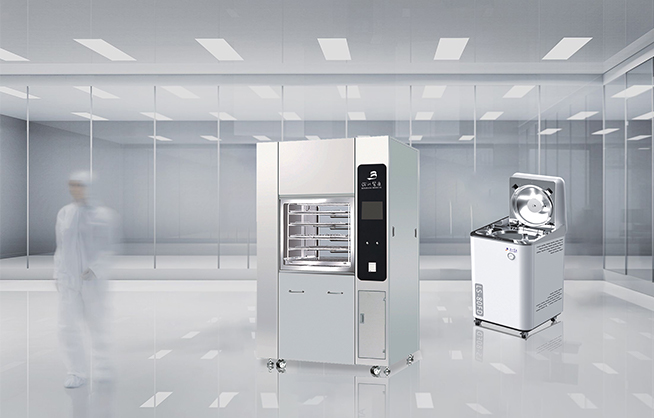
As a dynamic, innovation-driven precision machinery enterprise, Cixi Quaconst Precision Machinery is a China Wholesale Driveline Components Manufacturer and Driveline Components Factory, dedicated to the R&D, manufacturing and sales of precision components for automobiles, ATVs and trucks since its establishment, with full capabilities in import and export operations. We have also set up a new branch in Vietnam to expand our global service network, delivering more accessible support to international clients.
Our headquarters is strategically located in Cixi Binhai Economic Development Zone, Ningbo City, Zhejiang Province, China. This location boasts convenient transportation and superior maritime logistics advantages—laying a solid foundation for our efficient global supply chain and timely customer support, ensuring products reach global markets quickly.

INQUIRY NOW
Wholesale Driveline Components
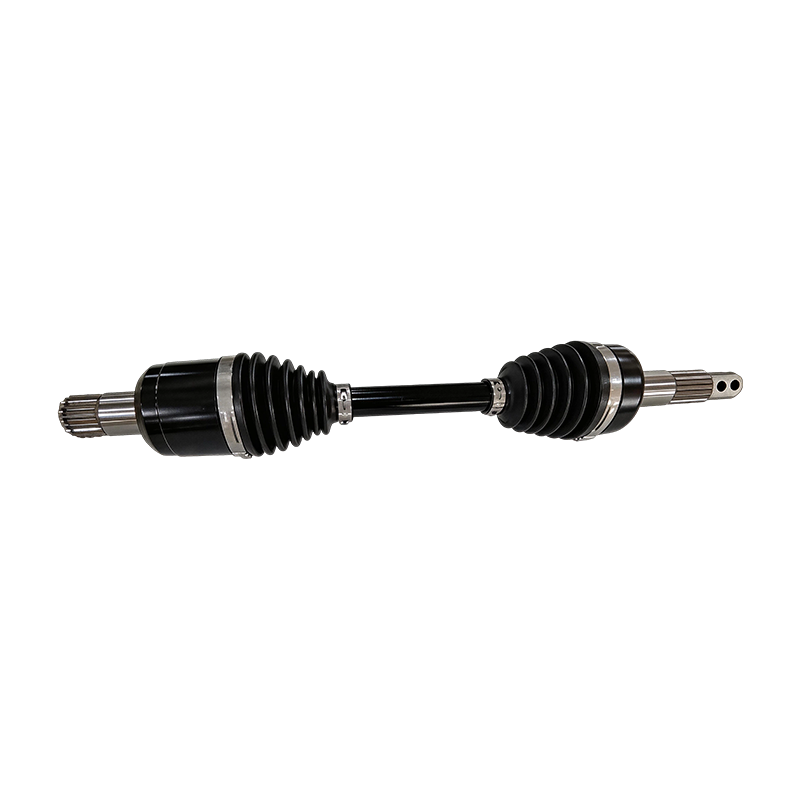
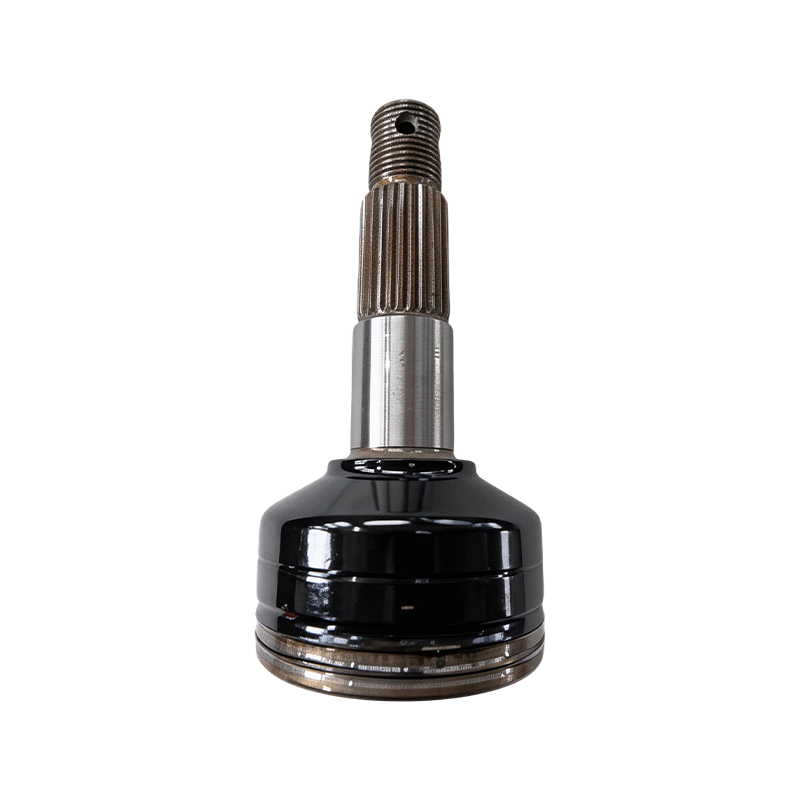
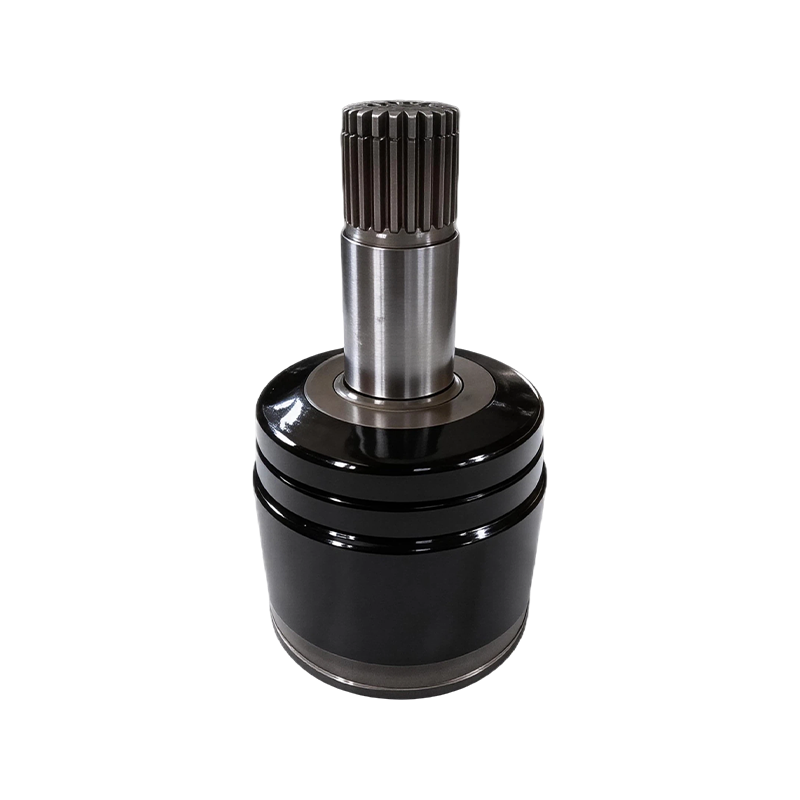
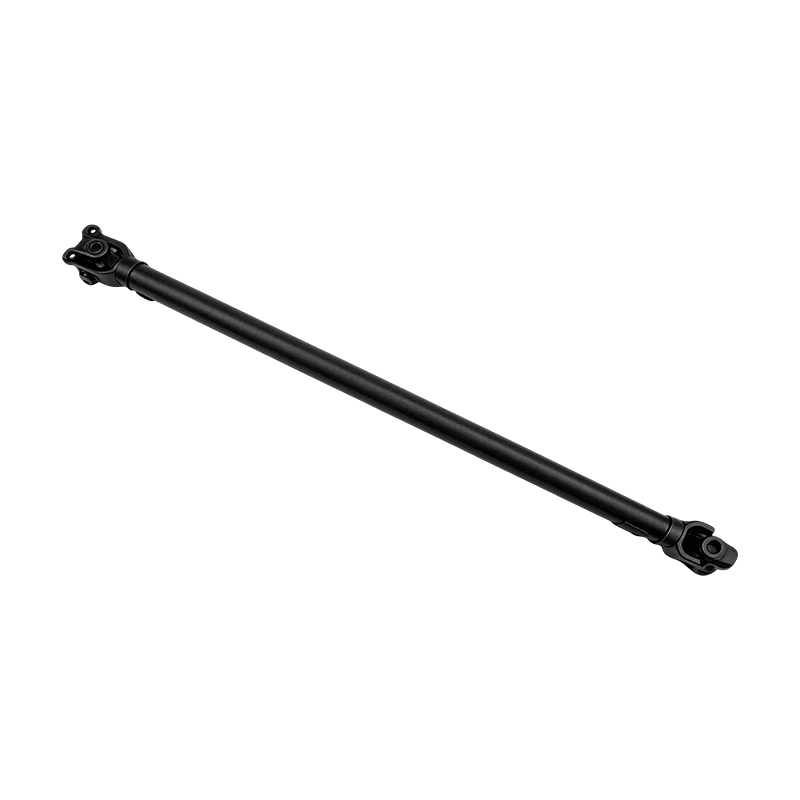
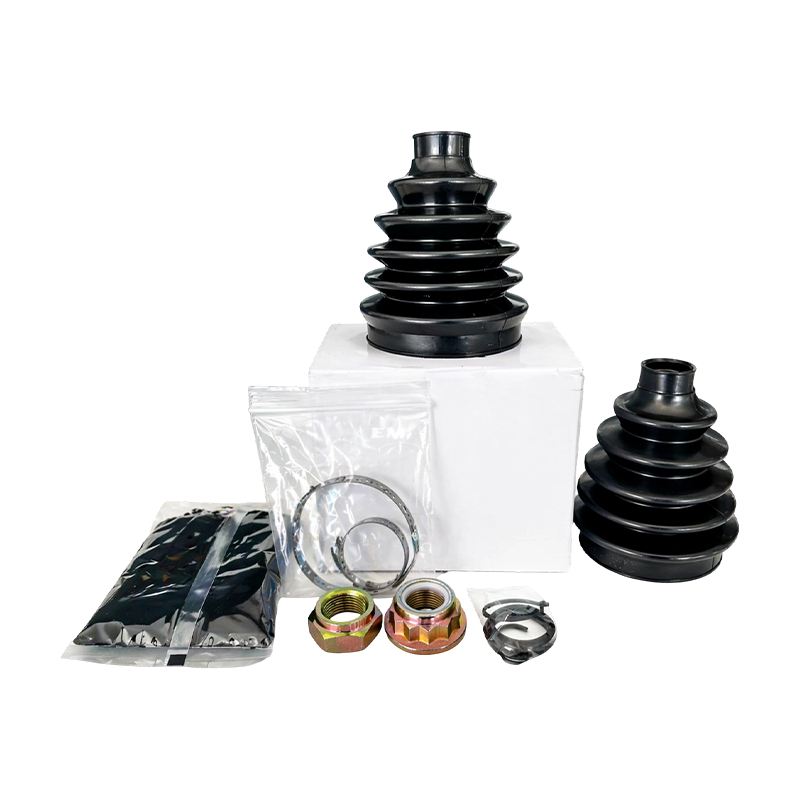
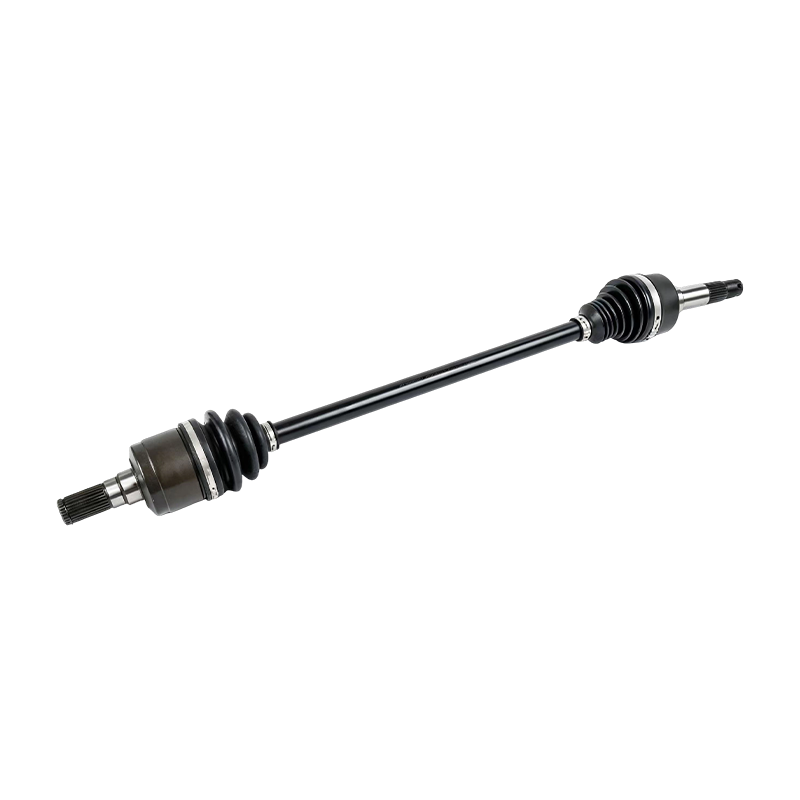
We specialize in the R&D and manufacturing of automotive drivetrain system; our products cover CV Axle, inner and outer CV joints, intermediate shafts, and repair kits, which are widely used in the global passenger vehicle and light commercial vehicle markets.
Cixi Quaconst Precision Machinery:
Guarantee High Quality With Our Expertise
Guarantee High Quality With Our Expertise

-
Quality
We have our own testing lab and the most advanced and complete inspection equipment,which can ensure...
-
Customization
We have a strong R&D team,and we can develop and produce products according to the drawings or s...
-
Multiformity
We have over 1300 molds, and our parts can be matched with most of the best-selling car models world...
Certificate
-
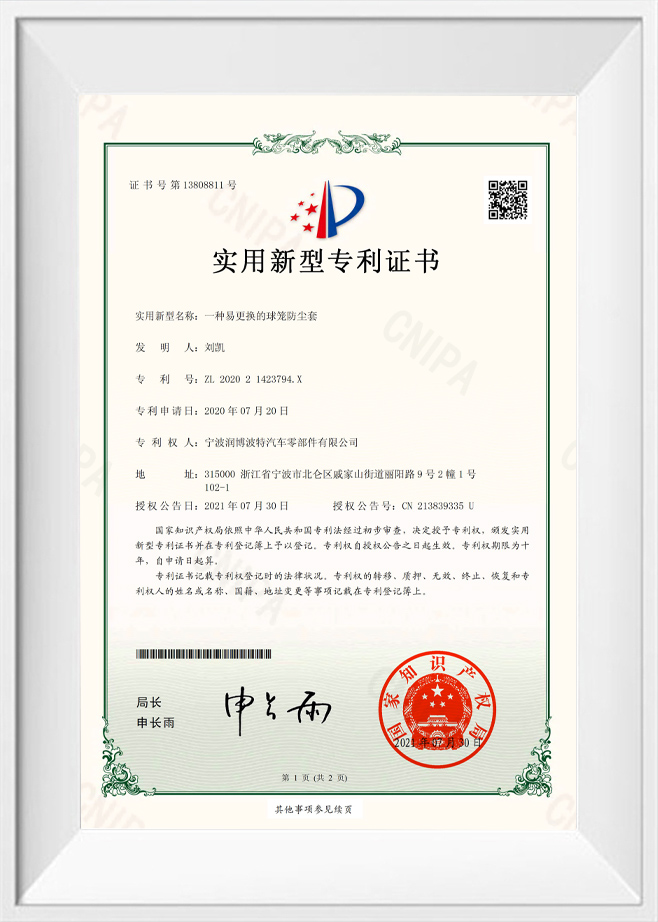
Utility Model Patent Certificate
-
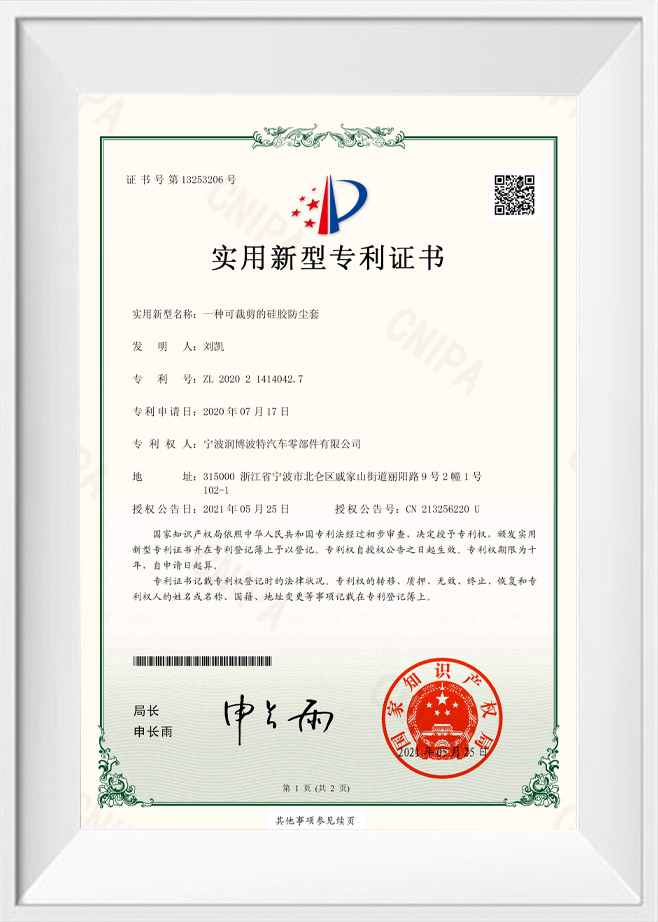
Utility Model Patent Certificate
-
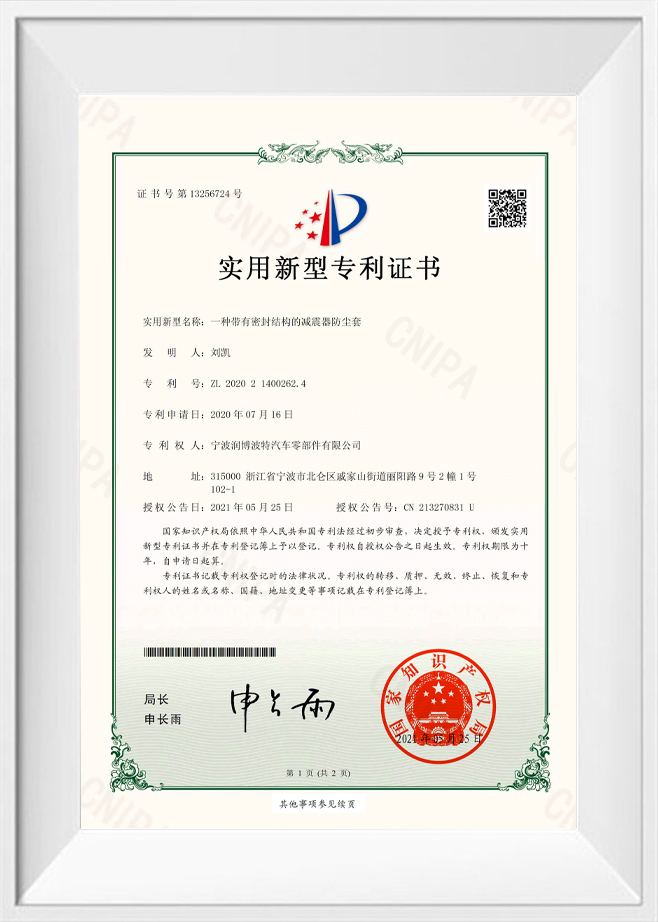
Utility Model Patent Certificate
-
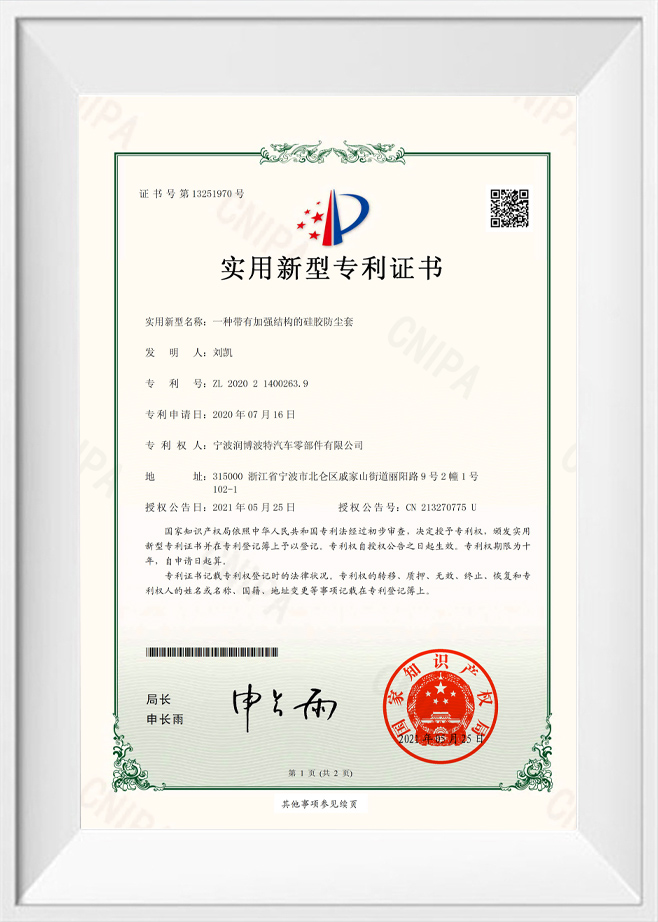
Utility Model Patent Certificate
-
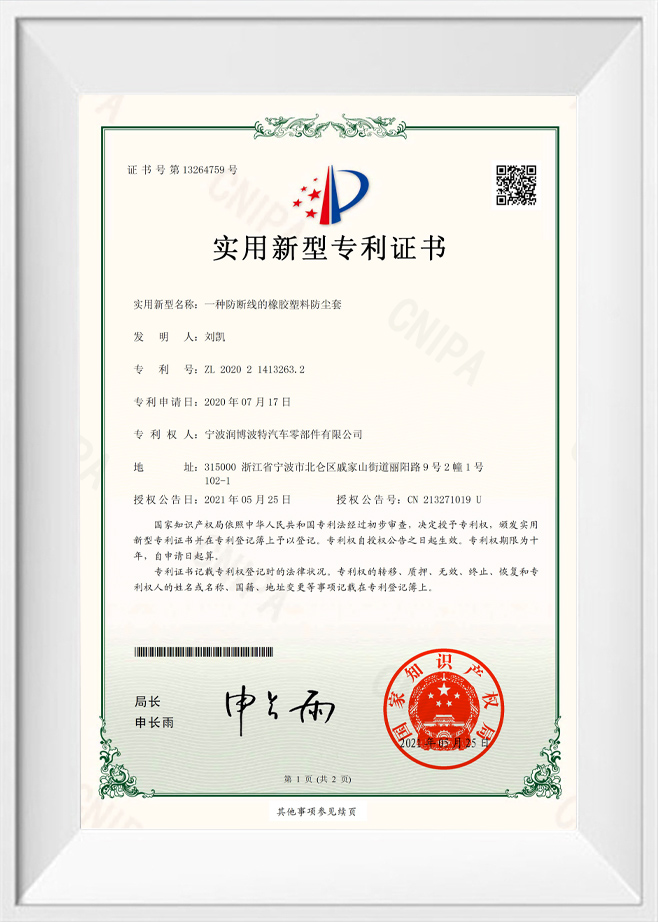
Utility Model Patent Certificate
News Center
-
2026-10-23
Automotive Driveline Guide: Components, Tolerances, Failure Points & Sourcing Checks
A front-wheel-drive car that shudders between 40 km/h and 70 km/h usually traces back to one of four parts: a worn outer CV joint, a boot that has thrown its g... -
2026-10-16
what is a driveline: Applications, Selection Criteria, and Practical Guidance
A front-wheel-drive car carries torque from the transmission to the tires through roughly a dozen parts: two half shafts, four constant-velocity (CV) joints, t... -
2026-10-09
Signs of a Bad Driveshaft: 6 Symptoms, Road Tests and Replacement Guide
A car that shudders at highway speed usually gets new tyres and a wheel balancing first. The money is spent, and the shudder stays. A worn driveshaft has its o... -
2026-10-02
How to Balance a Driveshaft: Correct Steps, Tolerances and Common Mistakes
A pickup that shakes hard at 55 mph and smooths out completely at 45 mph is almost always fighting driveline unbalance, not a bad tire. The usual culprit is a ...
Driveline Components Industry knowledge
Driveline components are the mechanical parts that transmit engine power from the transmission to the drive wheels. In modern passenger vehicles, light commercial vehicles, ATVs, and electric vehicles, a complete driveline system typically includes CV axle assemblies, inner and outer CV joints, prop shafts, CV boot kits, and motor shafts. The reliability of these components determines power delivery efficiency, vehicle handling precision, and long-term drivetrain durability — making sourcing decisions for driveline components a high-stakes procurement task for OEM integrators and aftermarket distributors alike.
Product Range and Application Scope
The driveline components category covers a broad range of parts serving different segments of the vehicle powertrain. The table below summarizes the primary product types, their roles, and typical application platforms:
| Product | Core Function | Application |
|---|---|---|
| CV Axle Assembly / Drive Shaft | Transfers torque from transmission to wheel hub | Passenger cars, SUVs, light commercial vehicles |
| Outer / Inner CV Joint | Allows torque transfer at variable steering and suspension angles | Front-wheel-drive and all-wheel-drive vehicles |
| Prop Shaft | Connects gearbox to rear differential or transfer case | Rear-wheel-drive and 4WD vehicles |
| CV Boot Kits | Seals joint grease and excludes contaminants | All driveline-equipped vehicles; high-replacement-frequency aftermarket part |
| ATV/UTV/SSV Axle Shaft | High-torque, wide-angle power transmission for off-road use | ATVs, UTVs, side-by-side vehicles |
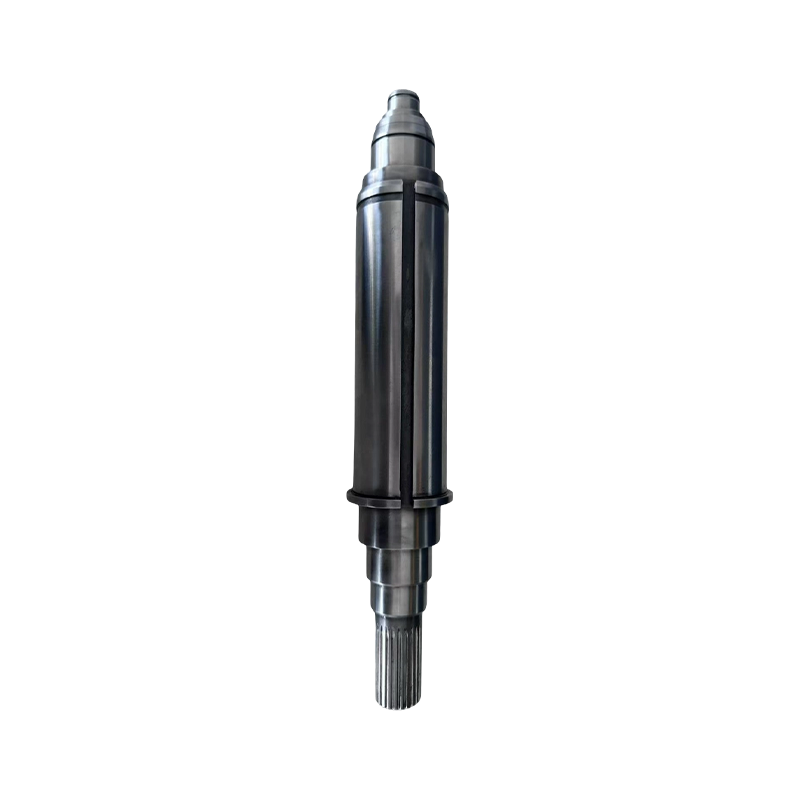
| EV / NEV Motor Shaft | Transmits high-torque motor output to drive wheels | Battery electric and new energy vehicles |
Quality Control Requirements for Driveline Components
Driveline components operate under continuous mechanical stress, requiring strict quality controls at every production stage. Buyers should verify the following when evaluating a supplier:
- Material certification: Axle shafts and CV joint cages should use heat-treated alloy steel with documented material grade and hardness range
- Dimensional inspection: Spline profiles, joint geometry, and shaft runout must be verified with CMM or dedicated gauging equipment
- Torque and fatigue testing: CV axles should be validated against the vehicle's peak torque output with a documented duty-cycle fatigue test
- IATF 16949 compliance: The supplier's quality management system should cover process control, inspection traceability, and corrective action procedures
CIXI ZHIHENG operates its quality management system in full accordance with IATF 16949, covering design and development, process control, inspection traceability, and continuous improvement — supporting both stable mass production and new product development for global automotive customers.
Customization and Development Process
Many OEM and aftermarket buyers require driveline components developed to specific vehicle fitments or performance specifications. A structured development process reduces risk and shortens time to stable supply:
- Requirement Intake: Customer provides OEM samples, 2D/3D drawings, or vehicle application data including torque rating and articulation angle requirements
- Engineering Review: Manufacturer confirms material selection, tooling scope, and process feasibility
- Sample Production: Initial parts produced for fitment, dimensional, and performance validation by the customer
- Process Validation: Small-batch trial run to verify production consistency and inspection compliance
- Mass Production: Stable large-scale supply with agreed packaging, labeling, and delivery schedule
CIXI ZHIHENG supports this full workflow — from drawing-based development and co-design to large-scale supply — with drivetrain component annual output exceeding 2 million units and coverage across passenger vehicles, ATVs, UTVs, and electric vehicle platforms.
Frequently Asked Questions from Procurement Teams
What information should I prepare when inquiring about driveline components?
To receive an accurate quotation and fitment assessment, prepare the following: OEM part number or reference, vehicle make/model/year, and if available, a technical drawing or physical sample. For custom development projects, also include the target torque rating, articulation angle requirements, and intended production volume. The more complete the technical intake, the more efficiently the manufacturer can confirm feasibility and provide a reliable timeline.
How do I confirm a CV axle is compatible with my vehicle model?
Provide the OEM part number or the following technical parameters: shaft length, inner and outer spline count, joint type (e.g., Rzeppa outer, tripod inner), and vehicle make/model/year. A sample cross-reference or dimensional comparison against your existing part is the most reliable fitment validation method.
Can driveline components be supplied with private labeling?
Yes. Most manufacturers supplying the aftermarket can accommodate OEM-style or custom private-label packaging. Specify label design, part number format, language requirements, and carton configuration at the time of order placement.
What differentiates a quality driveline component supplier from a low-cost alternative?
The key differentiators are steel alloy grade and heat treatment specification, joint geometry accuracy, grease type and quantity, boot compound quality, and the supplier's ability to provide traceable inspection records. A supplier with a certified quality management system and in-house testing capability offers significantly lower risk of field failure compared to suppliers relying on incoming inspection alone.
GET IN TOUCH
MAIL US
CONTACT US
+86 133 0665 0391
MAIL US
No. 169 Songpu Road, Cidong Industrial Zone, Cixi City, Ningbo City, Zhejiang Province, China
Copyright Cixi Quaconst Precision Machinery Co., Ltd All Rights Reserved.
 Wholesale Driveline Components Manufacturer
Wholesale Driveline Components Manufacturer
Copyright Cixi Quaconst Precision Machinery Co., Ltd All Rights Reserved.