Content
When a steering rack fails, you lose precise control over your vehicle's direction. The symptoms range from unusual noises and fluid leaks to a loose, drifting steering wheel — all of which pose serious safety risks. In severe cases, a bad steering rack can make the vehicle undriveable. Identifying the warning signs early and replacing a worn steering rack promptly is critical to preventing accidents and costly secondary damage.
A failing steering rack rarely gives out all at once. Instead, it sends a series of signals that worsen over time. Recognizing these early can save you from an emergency situation on the road.
Clunking, grinding, or knocking sounds — especially when turning the wheel at low speeds — are among the first signs of steering rack wear. These noises typically originate from worn rack bushings, damaged tie rod ends, or metal-on-metal contact inside the rack housing. A grinding sensation that travels through the steering wheel is a particularly strong indicator.
If the steering wheel feels vague, has excessive play, or requires more effort than usual to turn, the rack may be worn or damaged internally. Excessive free play of more than 1–2 inches at the steering wheel rim is generally considered beyond acceptable tolerance and warrants immediate inspection.
A bad steering rack can cause the vehicle to drift or pull consistently to the left or right, even on a straight, flat road. While this symptom can also be caused by tire pressure imbalance or wheel misalignment, when combined with other steering complaints, a failing rack is a strong candidate.
On hydraulic power steering systems, damaged rack seals or a cracked rack housing will cause power steering fluid to leak. You may notice reddish or light brown fluid pooling under the front of the vehicle. Low fluid levels lead to increased steering effort and can accelerate wear on the power steering pump.
Vibration or shaking in the steering wheel — particularly at highway speeds or when driving over bumps — can indicate that the steering rack mounting points are loose, or that internal rack components have developed excessive play.
Noticeably increased resistance when turning the wheel — especially on turns that once felt effortless — may signal internal rack binding or a loss of hydraulic assist. On electric power steering (EPS) systems, a stiff rack can trigger warning lights on the dashboard.
The table below summarizes the most common symptoms, their likely causes, and their typical severity level to help you prioritize inspection and repair.
| Symptom | Likely Cause | Severity |
|---|---|---|
| Clunking / grinding noise | Worn bushings or tie rod ends | Moderate – inspect soon |
| Excessive steering play | Internal rack wear | High – repair promptly |
| Vehicle pulling to one side | Rack misalignment or uneven wear | Moderate to High |
| Fluid leak under the vehicle | Failed rack seals | High – fix immediately |
| Steering wheel vibration | Loose rack mounts or worn components | Moderate |
| Stiff or tight steering | Internal binding or low fluid | High – do not ignore |
Understanding what leads to steering rack failure helps you take preventive steps and make better maintenance decisions.
No — driving with a failing steering rack is not safe and should be avoided. Even mild symptoms like slight looseness or subtle noises indicate that steering precision is already compromised. At highway speeds or during emergency maneuvers, reduced steering response can be the difference between avoiding an accident and being in one.
In advanced failure stages, the rack can seize entirely, making it impossible to steer the vehicle. If you notice two or more of the warning signs described above, have the vehicle inspected by a qualified technician as soon as possible and avoid high-speed driving in the meantime.
A proper diagnosis involves more than just describing symptoms to a mechanic. Here is what a thorough inspection typically includes:
The choice between repairing and replacing a steering rack depends on the nature and extent of the damage.
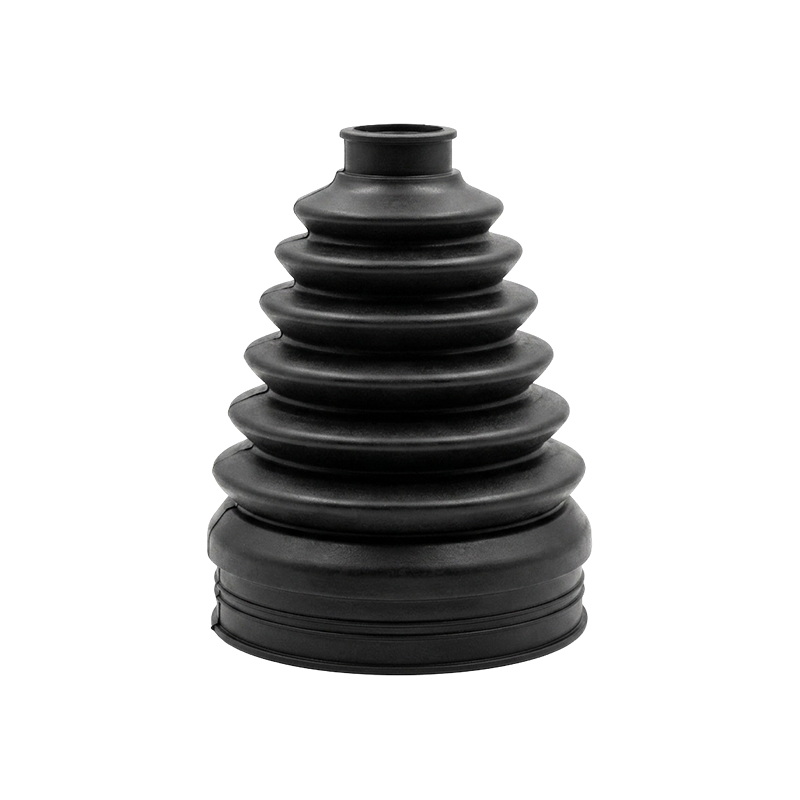
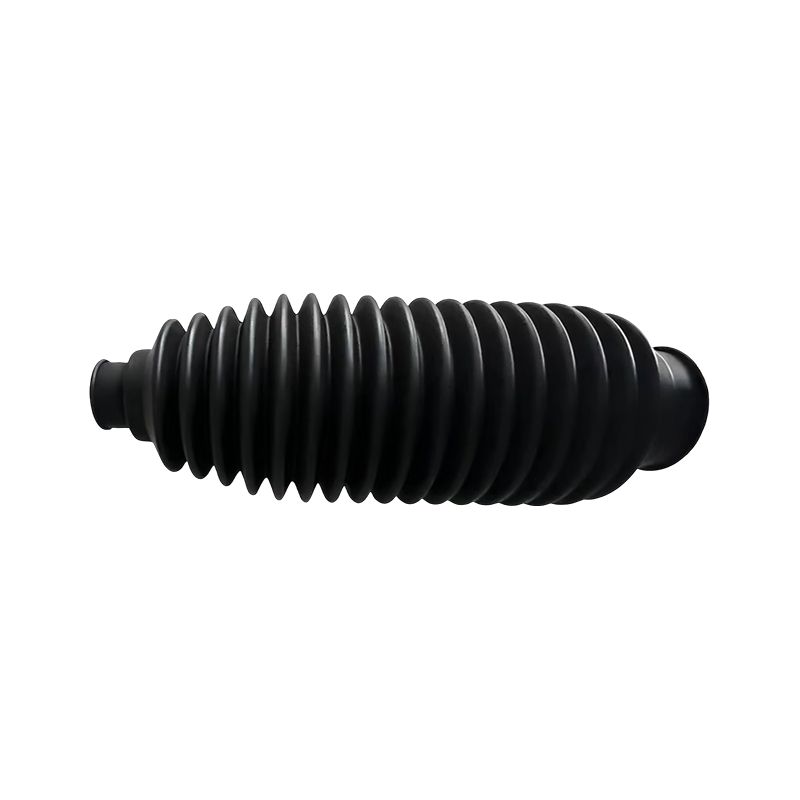
In some cases, only the boots or tie rod ends need replacement rather than the entire rack assembly. Boot replacement is relatively straightforward and cost-effective if the inner rack components remain undamaged. Similarly, replacing worn tie rod ends can restore steering feel without a full rack swap.
If the rack housing is cracked, internal seals are blown, or the rack and pinion mechanism itself is worn beyond tolerance, full replacement is the correct solution. Attempting to patch a structurally compromised rack is a safety risk. A remanufactured or new OEM-equivalent steering rack restores full functionality and typically comes with a warranty.
After any steering rack replacement, a four-wheel alignment is mandatory to ensure the vehicle steers correctly and tires wear evenly.
Proactive maintenance is the most effective way to delay steering rack wear and avoid premature failure.
When a steering rack must be replaced, the quality of the replacement part directly affects long-term reliability and driving safety. Key factors to evaluate include:
Sourcing a steering rack from a supplier that specializes in steering and suspension components — and that provides clear vehicle fitment data — reduces the risk of receiving an incompatible or substandard part.
1-949-870-6672
No. 169 Songpu Road, Cidong Industrial Zone, Cixi City, Ningbo City, Zhejiang Province, China
OEM/ODM Automotive Chassis Sealing Components Manufacturer
EV Drivetrain Components Supplier