
 English
 中文简体
中文简体 عربى
عربى Español
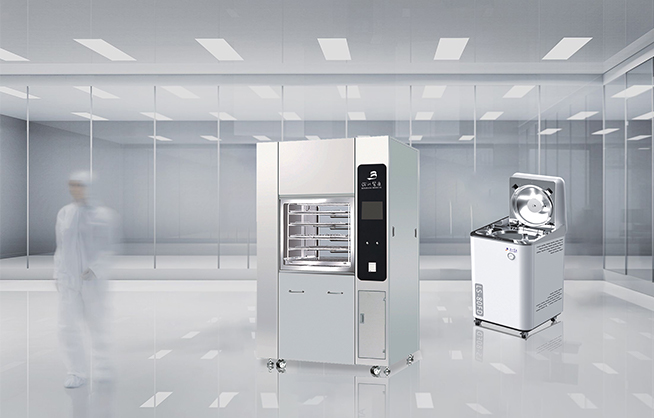
As a dynamic, innovation-driven precision machinery enterprise, Cixi Quaconst Precision Machinery is a China Wholesale Wheel End Components Manufacturer and Wheel End Components Factory, dedicated to the R&D, manufacturing and sales of precision components for automobiles, ATVs and trucks since its establishment, with full capabilities in import and export operations. We have also set up a new branch in Vietnam to expand our global service network, delivering more accessible support to international clients.
Our headquarters is strategically located in Cixi Binhai Economic Development Zone, Ningbo City, Zhejiang Province, China. This location boasts convenient transportation and superior maritime logistics advantages—laying a solid foundation for our efficient global supply chain and timely customer support, ensuring products reach global markets quickly.

INQUIRY NOW
Wholesale Wheel End Components
We specialize in the R&D and manufacturing of sealing, protection, and shock-absorbing components for automotive chassis and drivetrain systems. Our products cover a full range of protective parts, including CV boots, steering gear boots, and TPEE boots, as well as shock-absorbing and cushioning parts such as strut mounts, suspension bushings, and driveshaft dampers. We provide full-link supporting solutions for CV axle assemblies, steering systems, and suspension systems, which are widely applied to the global passenger vehicle and light commercial vehicle markets.
Cixi Quaconst Precision Machinery:
Guarantee High Quality With Our Expertise
Guarantee High Quality With Our Expertise

-
Quality
We have our own testing lab and the most advanced and complete inspection equipment,which can ensure...
-
Customization
We have a strong R&D team,and we can develop and produce products according to the drawings or s...
-
Multiformity
We have over 1300 molds, and our parts can be matched with most of the best-selling car models world...
Certificate
-
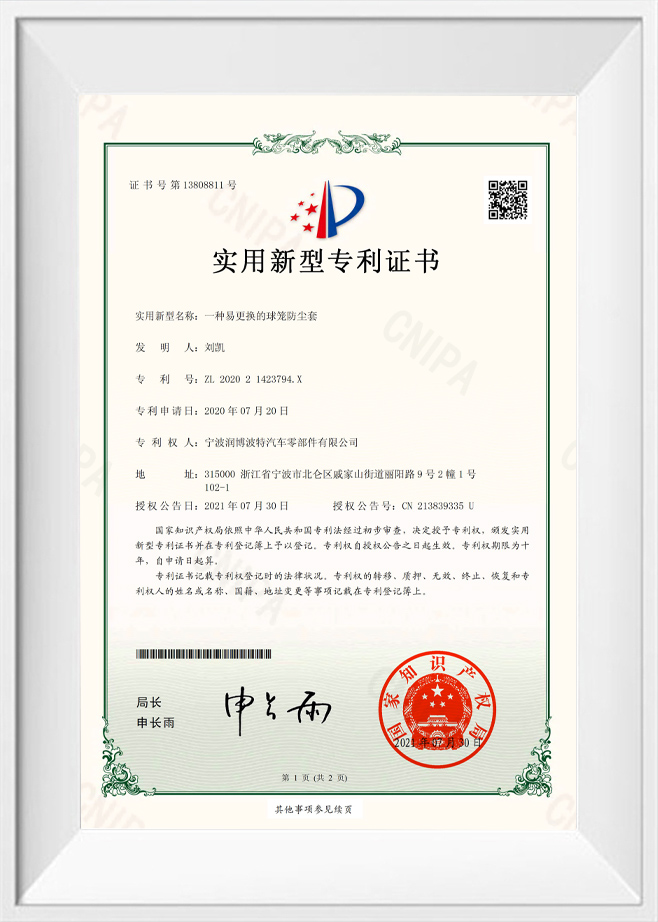
Utility Model Patent Certificate
-
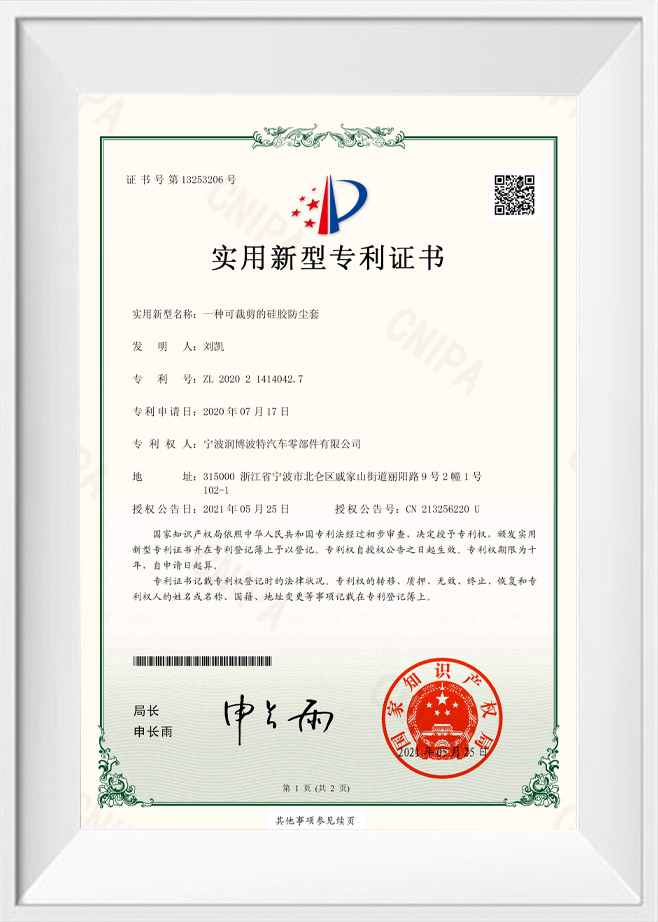
Utility Model Patent Certificate
-
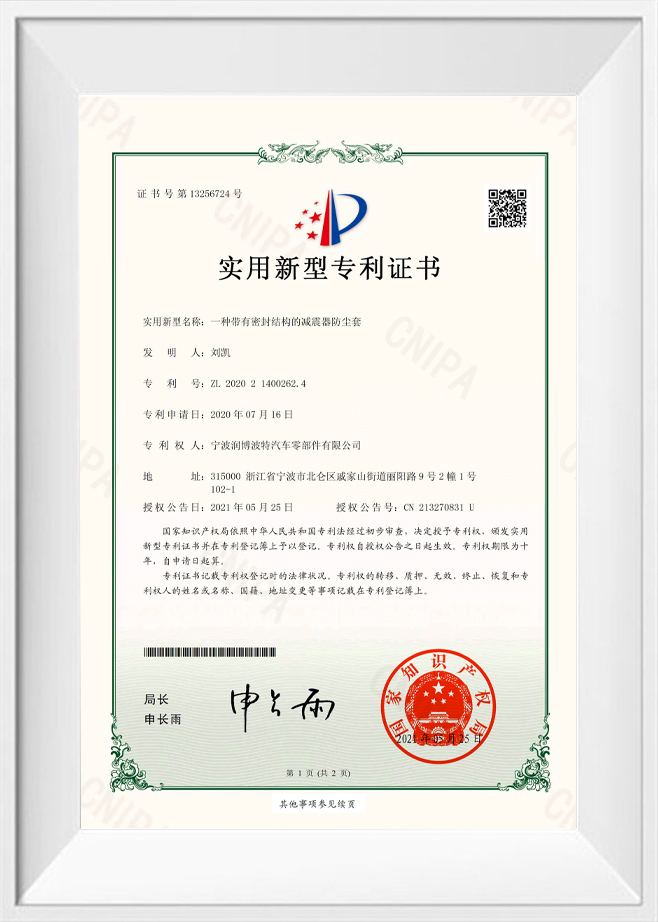
Utility Model Patent Certificate
-
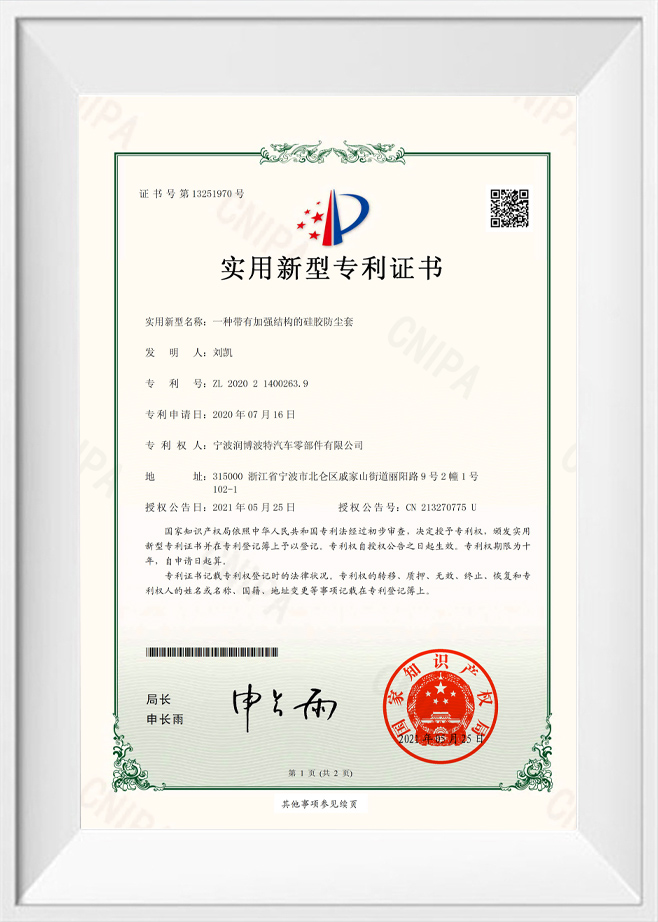
Utility Model Patent Certificate
-
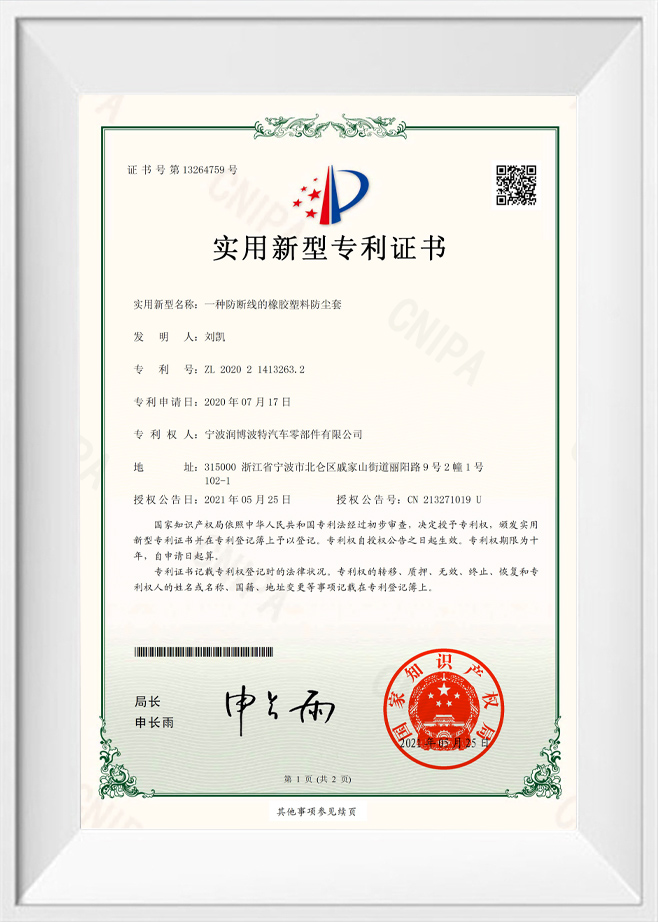
Utility Model Patent Certificate
News Center
-
2026-10-23
Automotive Driveline Guide: Components, Tolerances, Failure Points & Sourcing Checks
A front-wheel-drive car that shudders between 40 km/h and 70 km/h usually traces back to one of four parts: a worn outer CV joint, a boot that has thrown its g... -
2026-10-16
what is a driveline: Applications, Selection Criteria, and Practical Guidance
A front-wheel-drive car carries torque from the transmission to the tires through roughly a dozen parts: two half shafts, four constant-velocity (CV) joints, t... -
2026-10-09
Signs of a Bad Driveshaft: 6 Symptoms, Road Tests and Replacement Guide
A car that shudders at highway speed usually gets new tyres and a wheel balancing first. The money is spent, and the shudder stays. A worn driveshaft has its o... -
2026-10-02
How to Balance a Driveshaft: Correct Steps, Tolerances and Common Mistakes
A pickup that shakes hard at 55 mph and smooths out completely at 45 mph is almost always fighting driveline unbalance, not a bad tire. The usual culprit is a ...
Wheel End Components Industry knowledge
Wheel end components are a critical group of parts that connect the vehicle's wheel hub to the suspension and braking system, directly affecting driving safety, steering precision, and load-bearing stability. For global procurement teams sourcing automotive chassis parts, understanding the types, quality standards, and customization capabilities of wheel end components is the starting point for making sound sourcing decisions. This article covers key product knowledge, procurement considerations, quality control standards, and common buyer questions to help you evaluate suppliers more effectively.
What Are Wheel End Components?
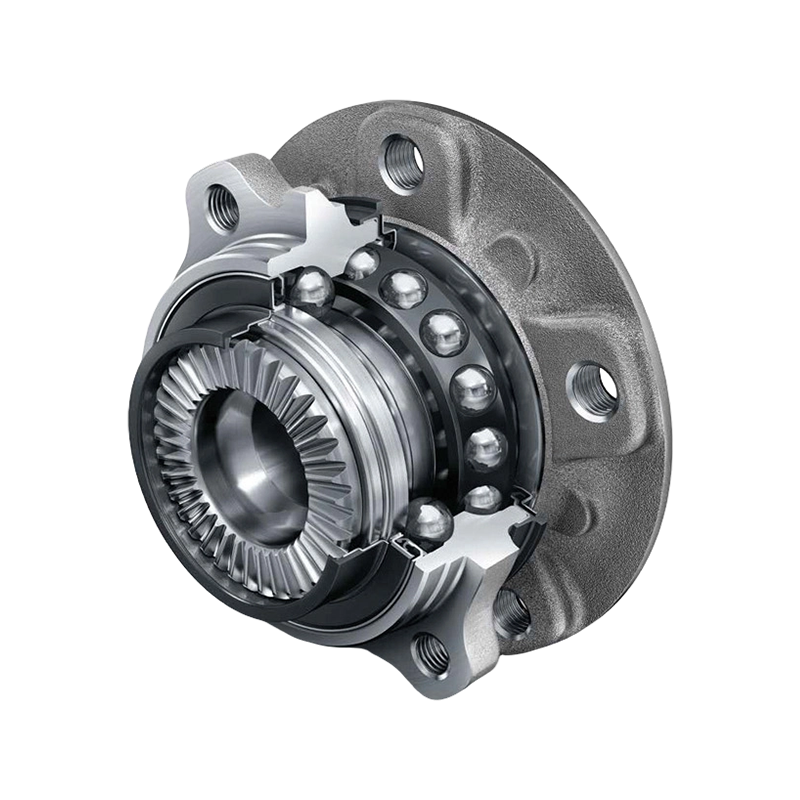
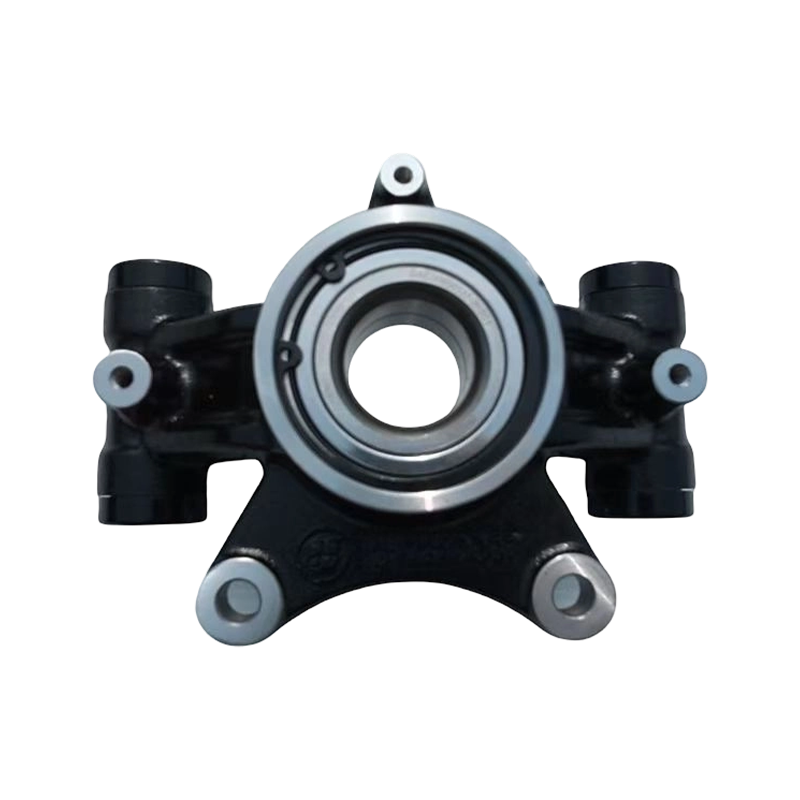
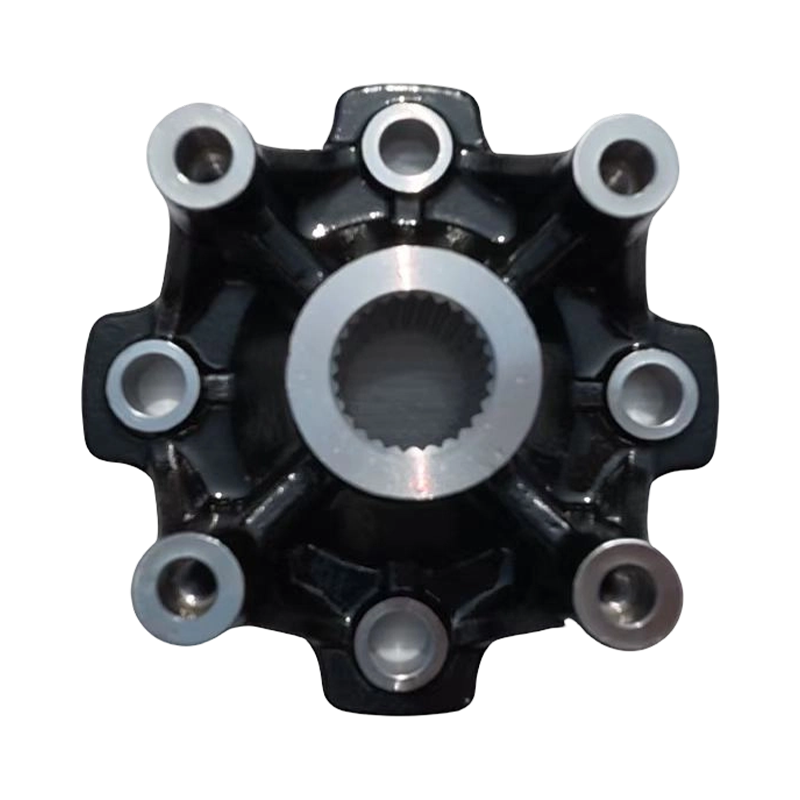
Wheel end components refer to the assembly of parts located at the interface between the vehicle's wheel and the chassis or drivetrain. This group typically includes wheel hub bearings, wheel hub assemblies, brake rotors, wheel studs, ABS sensor rings, and related sealing elements. Each part plays a distinct functional role: bearings carry radial and axial loads while enabling smooth wheel rotation; hub assemblies provide structural mounting for the wheel; ABS rings transmit wheel speed signals to the braking control system.
These components are used across passenger vehicles, light commercial vehicles, and off-road platforms, including ATV/UTV applications. Because they operate under continuous dynamic stress—absorbing road vibration, supporting braking torque, and bearing vehicle weight—dimensional accuracy and material integrity are non-negotiable quality requirements.
Key Applications by Vehicle Type
Wheel end component requirements vary significantly depending on platform and use case. The table below summarizes typical application scenarios to help buyers identify the right product specifications during sourcing:
| Vehicle Type | Typical Components Required | Key Performance Focus |
|---|---|---|
| Passenger Car | Hub bearing, hub assembly, ABS ring, brake rotor | Noise reduction, long service life |
| Light Commercial Vehicle | Heavy-duty hub assembly, wheel studs, seals | Load capacity, fatigue resistance |
| ATV / UTV / Off-Road | Reinforced hub, sealed bearing, dust protection parts | Impact resistance, waterproof sealing |
| Motorcycle | Compact hub bearings, lightweight wheel studs | Weight optimization, dimensional precision |
Procurement Considerations for B2B Buyers
When sourcing wheel end components at scale, buyers should evaluate several factors beyond unit price:
- OEM vs. AM fitment compatibility: Confirm whether the component is designed to OEM drawing specifications or built to aftermarket interchange standards. Fitment accuracy affects installation time and warranty exposure downstream.
- Material certification: Structural components such as hub assemblies and knuckles should meet defined tensile strength and hardness standards. Ask suppliers for material traceability documentation.
- ABS ring signal accuracy: For vehicles with electronic stability systems, the ABS tone ring must meet precise pole pitch tolerances. Deviation causes false fault codes and safety system malfunctions.
- Sealing performance: Hub bearings in exposed environments require multi-lip seals tested against dust and moisture ingress. Verify IP rating or equivalent internal test standards.
- MOQ and delivery flexibility: For project-based sourcing, confirm whether the supplier supports sample development and small-batch trial production before committing to mass production volumes.
CIXI ZHIHENG, operating under a quality management system aligned with IATF 16949 standards, supports both OEM supporting services and aftermarket supply across North America, Europe, and other key markets—providing buyers with a verified framework for product consistency and process traceability.
Quality Control Standards in Manufacturing
Reliable wheel end components require process control at multiple manufacturing stages. Key inspection checkpoints include:
- Incoming material inspection: Raw steel and alloy inputs are verified for chemical composition and mechanical properties before entering production.
- In-process dimensional check: Critical dimensions—bore tolerances, flange runout, stud hole positioning—are measured at intermediate production stages using CMM or dedicated gauging.
- Torque and preload testing: Bearing assemblies are tested for rotational torque to confirm preload within specification, which directly affects operating noise and service life.
- Final assembly verification: Finished assemblies undergo dimensional audit, visual inspection, and, where applicable, ABS signal output testing before shipment release.
Traceability documentation—covering lot numbers, inspection records, and material certificates—should be part of the standard supplier data package for any safety-critical component category.
Customization Process for Project-Based Orders
For buyers sourcing wheel end components for a specific vehicle platform or custom application, a structured development process reduces risk and accelerates time to production. A typical customization workflow includes:
- Requirement submission: Provide customer samples, 2D/3D drawings, application conditions (load rating, environment, vehicle platform), and target volume.
- Technical review and DFM feedback: The supplier assesses manufacturability and returns comments on tolerances, material selection, or design modifications if needed.
- Sample production and validation: First-article samples are produced and submitted for dimensional, functional, and fitment testing by the buyer.
- Process approval and mass production: Upon sample sign-off, the production process is locked and scaled for stable volume supply.
CIXI ZHIHENG supports this full development cycle—from drawing-based development and co-design support to stable large-scale manufacturing—making it suitable for both project-based sourcing and long-term supply partnerships.
Frequently Asked Questions
Q1: How do I know if a wheel end component is compatible with my vehicle model?
Compatibility is determined by matching the component's reference number, fitment dimensions, and bolt pattern against the OEM specification for your vehicle. When sourcing from a manufacturer, provide the OEM part number, vehicle year/make/model, and if available, a sample or drawing. Suppliers with OEM supporting experience can cross-reference specifications and confirm fitment before production.
Q2: What is the typical lead time for custom wheel end components?
Lead time depends on whether new tooling is required, the complexity of the geometry, material availability, and order volume. Components that can be produced using existing tooling and standard materials typically have shorter sample cycles than those requiring new tooling development. For accurate lead time estimates, buyers should submit drawings or samples to the supplier for formal assessment, as actual timelines vary by project and production schedule.
Q3: What certifications should a reliable wheel end component supplier hold?
For safety-critical automotive components, IATF 16949 certification is the primary quality system standard to look for. It covers design and development control, production process management, and continuous improvement requirements specific to the automotive supply chain. Additional relevant certifications may include ISO 9001, RoHS compliance for export markets, and application-specific testing reports.
Q4: Can wheel end components be sourced as complete assemblies or individual parts?
Both options are available depending on the supplier's capability. Complete hub bearing assemblies reduce installation complexity and are preferred for aftermarket distribution. Individual components—such as standalone bearings, seals, or studs—are more common in OEM line supply or for repair kits. Confirm with your supplier which configuration best aligns with your downstream assembly or distribution model.
Wheel end components sit at the intersection of structural load-bearing, sealing integrity, and electronic safety systems—making supplier selection a decision that directly affects product liability and end-user safety. For procurement teams evaluating sources, prioritizing suppliers with documented quality systems, in-house development capability, and proven cross-market supply experience significantly reduces downstream risk. Whether your requirement is standard fitment supply or a platform-specific development project, a structured sourcing approach—covering specifications, quality validation, and customization process review—ensures consistent and sustainable results.
GET IN TOUCH
MAIL US
CONTACT US
+86 133 0665 0391
MAIL US
No. 169 Songpu Road, Cidong Industrial Zone, Cixi City, Ningbo City, Zhejiang Province, China
Copyright Cixi Quaconst Precision Machinery Co., Ltd All Rights Reserved.
 Wholesale Wheel End Components Manufacturer
Wholesale Wheel End Components Manufacturer
Copyright Cixi Quaconst Precision Machinery Co., Ltd All Rights Reserved.